Shockwave therapy
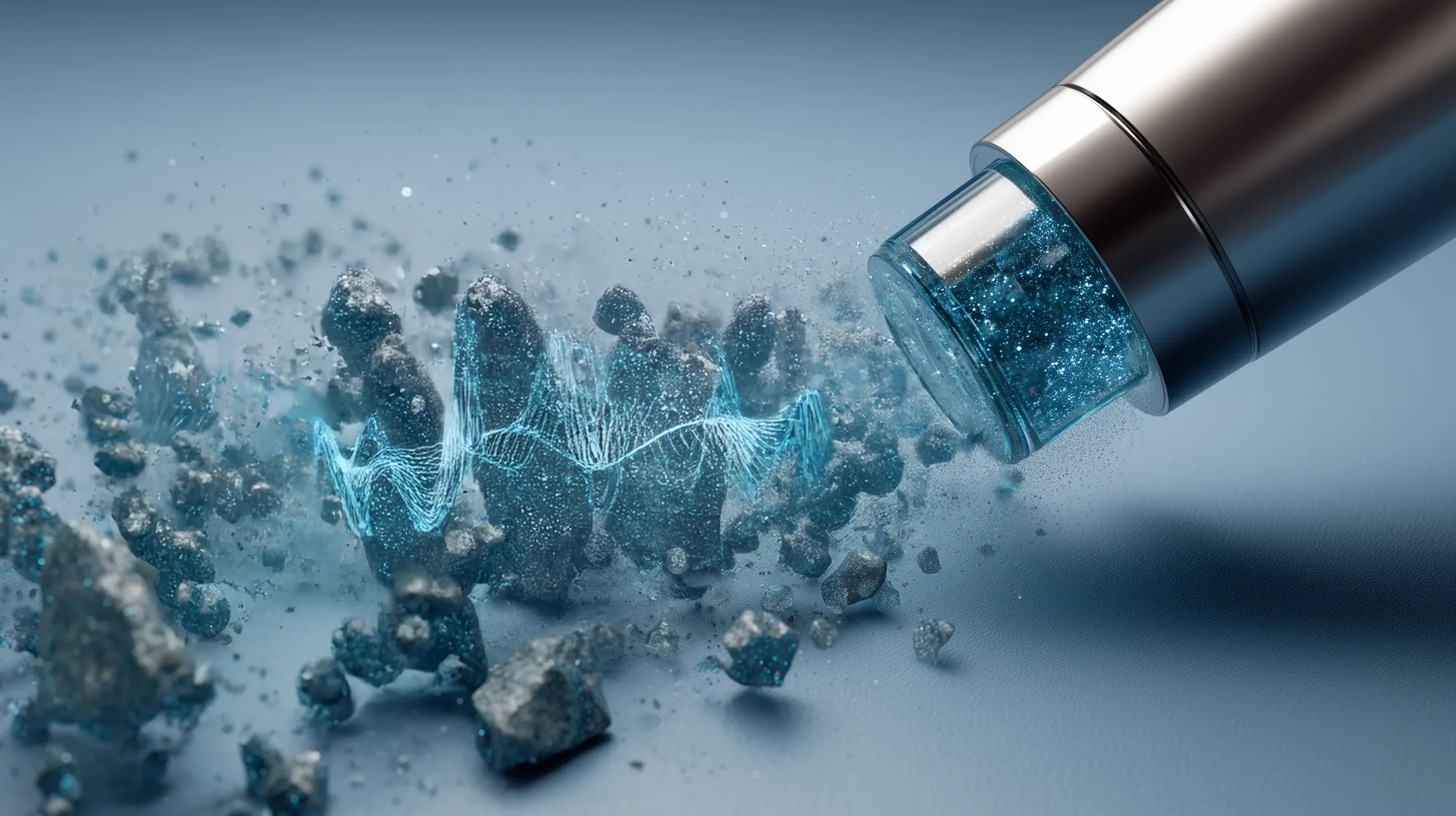
Extrakorporale Stoßwellentherapie (ESWT) Extracorporeal shock wave lithotripsy Extracorporeal Shock Wave Lithotripsy is a medical procedure that is used for Removal for kidney and ureteral stones.
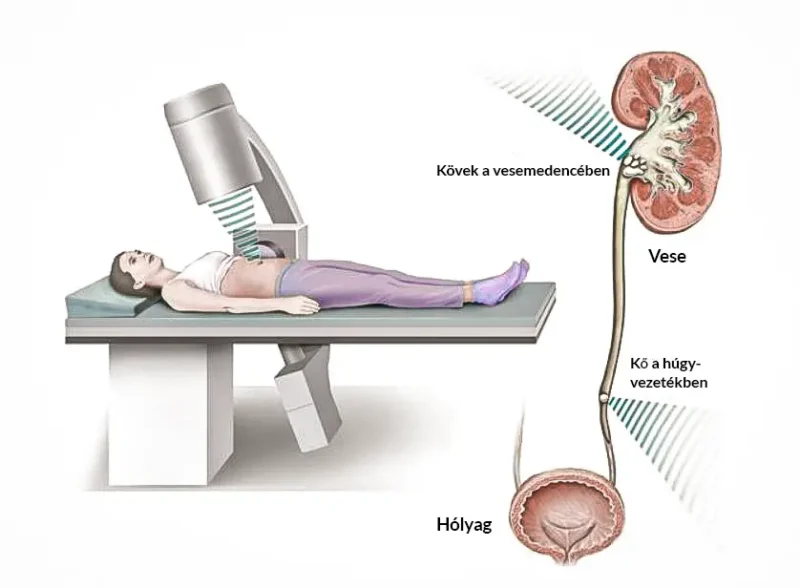
When doing so High-energy acoustic shockwaves generated and focused from outside through the skin and tissue onto the stone to be treated. The energy of the shock waves causes the stone to break down into smaller fragments, which can then be naturally excreted via the urine.
Important information:
Extracorporeal Shock Wave Lithotripsy (ESWL)
ESWL is a non-invasive (no cut, no surgery required) procedure where, using off a mechanical reduction of kidney stones is achieved using acoustic shock waves. The therapy is often performed on an outpatient basis.
Procedure & Suitability
- Kidney stones (renal and ureteral calculi)
- Stones up to approximately 2 cm
- Numerous small stones totalling approximately 5 cc
Duration
The ESWL is a relatively quick procedure. A single treatment session typically lasts between 45 and 60 minutes (approx. one hour). The total duration of the therapy depends on whether one or more sessions are necessary, which in turn depends on the size and hardness of the stone.
Process
The ESWL procedure is standardised
- Preparation: The patient is lying on a special treatment table. Often a slight Sedation or a short Anaesthesia administered to minimise pain from the shockwaves.
- localisation: The stone is precisely located using ultrasound or X-ray imaging and brought to the focal point of the shock wave device.
- Shred: The shock waves are introduced into the body via a coupling medium (e.g. a water cushion) on the.
- Aftercare: Following the session, the patient can usually be discharged home after a short period of observation. The crushed stone fragments will be excreted in the urine over the following days to weeks.
Effectiveness & Benefits
The effectiveness of ESWL is determined by the so-called Stone-free rate (Stone-Free Rate) is assessed, i.e. the proportion of patients in whom no stone fragments are detectable.
- The success rate is acceptable and stands at around 74% for kidney stones and 88% for ureteric stones.
- A high success rate is reported for stones under 2 cm..
- The final treatment success can only be determined after six to twelve weeks show that the fragments require time to excrete.
The ESWL is considered a secure and minimal-invasives Procedure.
- The complication rate is low and, with observance of the contraindications, is under 10%.
- Possible complications include temporary blood in the urine (haematuria), mild pain, and in rare cases, a blockage of the ureter by excessively large stone fragments (steinstrasse), which may require further treatment.
- The advantages are low patient burden, short hospital stays (often as an outpatient), and good reproducibility.
Frequently Asked Questions
Frequently asked questions in connection with the Extracorporeal shock wave lithotripsy (ESWL)
How safe and effective is ESWL?
The ESWL is considered a secure and minimal-invasives Procedure.
- Safety: The complication rate is low and is achieved when contraindications are observed. under 10% .
- Effectiveness The success rate (stone-free rate) is acceptable. In studies, it is approximately 74% for kidney stones and 88% for ureteric stones 5. The effectiveness is particularly high for stones under 2 cm in diameter.
What exactly happens during the therapy?
- The stone will be by means of Ultrasound or X-ray Precisely localised.
- The shockwaves hit the stone and Reduce to small pieces it into smaller fragments through the released energy.
- These small fragments are then placed on naturally excreted in the urine.
What are the effects of laser therapy?
- Haematuria Temporary blood in the urine.
- Pain Mild pain in the area of treatment.
- Steinstraße: In rare cases, the stone fragments can block the ureter, requiring further treatment.
The laser therapy is suitable for whom?
- Patients with Kidney stones (Kidney and ureteral stones).
- Stones up to approximately 2 cm .
- Multiple small stones to a total stone volume of approx. 5 cc.
Not suitable is the ESWL for so-called Contraindications, which include, amongst other things, pregnancy, blood-clotting disorders or an aortic aneurysm in the area of interest.

 Deutsch
 Magyar
 English (UK)